
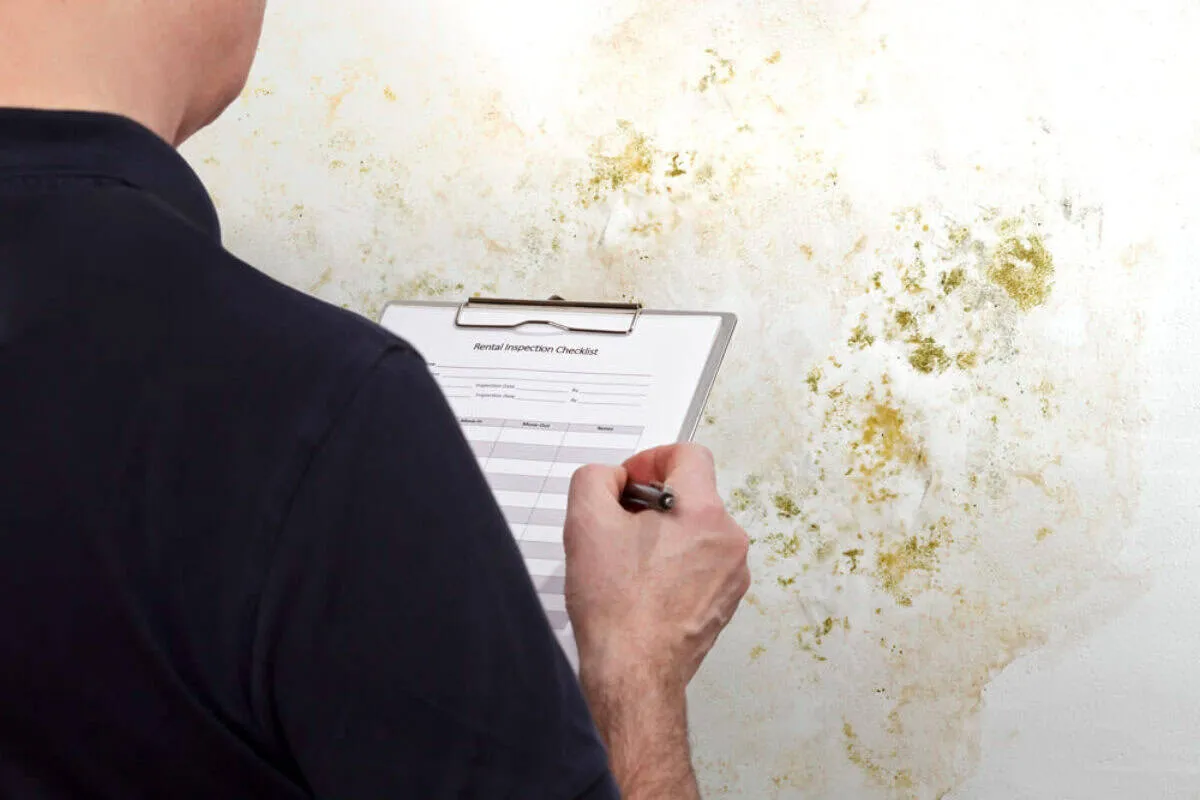
When water intrusion or mold affects a rental home, damage may extend beyond walls and ceilings. Furniture, clothing, books, electronics, rugs, and other belongings can be affected by moisture, staining, or deterioration. Tenants may feel pressure to throw damaged items away quickly, but doing so without creating a record can make it harder to explain what was lost later. Someone consulting a mold property damage attorney may be asked for photographs, receipts, timelines, or other evidence that helps distinguish the condition of the property from the value of personal belongings.
Photograph Items Before Disposing of Them
If an item has been damaged, take clear photographs from several angles before discarding it. Include the affected area and, when useful, a wider image showing where the item was located in the room.
Do not alter the condition to make damage look more dramatic. A straightforward record is easier to explain.
If safety concerns make it unreasonable to keep an item, documentation can still preserve important information without requiring it to remain in the home.
Identify the Item and Its Approximate Age
Create a basic list of damaged belongings. Include the item, brand or model if known, approximate purchase date, and original price if that information is reasonably available.
Receipts are helpful, but many people do not keep proof of every household purchase. Bank records, order histories, older photographs, or product listings may provide additional context.
Avoid assigning an unsupported replacement value simply because the original receipt is missing.
Separate Cleaning Costs From Replacement Costs
Not every affected item needs to be replaced. Some property may be cleaned or restored, while other items may be impractical to salvage depending on the material and extent of damage.
Keep invoices or estimates for cleaning, restoration, storage, or disposal when reasonably necessary.
Separating those expenses from replacement costs creates a clearer record and avoids treating every affected possession as a total loss.
Connect the Damage to a Timeline
A list of damaged items is more useful when it is tied to the history of the moisture problem. Note when the leak, dampness, or visible mold was first observed and when the belongings were noticed to be affected.
Save relevant maintenance requests, landlord communications, inspection records, or repair notices alongside the property list.
A mold claim lawyer may need to examine the sequence of events, because questions about responsibility can depend on notice, cause, timing, lease terms, and other facts rather than the presence of damaged property alone.
Keep Evidence of Out-of-Pocket Expenses
Moisture problems can create expenses beyond the belongings themselves. Depending on the situation, a tenant may pay for temporary storage, cleaning supplies, laundry, replacement necessities, or other costs.
Keep receipts and note why each expense was incurred. Avoid mixing unrelated household spending into the same list.
A simple spreadsheet or folder can keep the records organized.
Do Not Make Medical Assumptions From Property Damage
Damage to belongings and health concerns are separate issues. A moldy piece of furniture does not by itself establish that a particular symptom was caused by exposure.
California public-health guidance explains that damp or moldy buildings can be associated with respiratory and allergic effects for some people, but individual health questions should be addressed through appropriate medical evaluation.
Keeping legal, property, and medical records organized in separate categories can reduce confusion.
Preserve Communications About Repairs
If the landlord, property manager, contractor, or inspector discusses damaged belongings, keep that communication. Note whether anyone photographed the items, recommended disposal, or addressed the moisture source.
Do not rely only on verbal conversations if a written follow-up is practical. A short email confirming what occurred can help preserve the history without becoming argumentative.
Avoid Inflating the Claim
It can be tempting to estimate every damaged item at the cost of a brand-new replacement. Actual valuation questions may be more complicated and depend on the facts.
Accurate descriptions, reasonable supporting records, and honest estimates are generally more useful than exaggerated numbers. If the value of a major item is disputed, professional or legal guidance may be appropriate.
Conclusion
Property damage from moisture or mold can become difficult to reconstruct after cleaning, repairs, or disposal begin. Tenants can protect the accuracy of their records by photographing affected belongings, identifying what was damaged, keeping receipts and estimates, and connecting those losses to a clear timeline.
Documentation does not determine liability or guarantee compensation. It simply preserves facts that may matter when insurers, property owners, contractors, or legal professionals later evaluate the situation. Careful records make that process more organized and reduce the need to rely on memory after the condition has changed.