
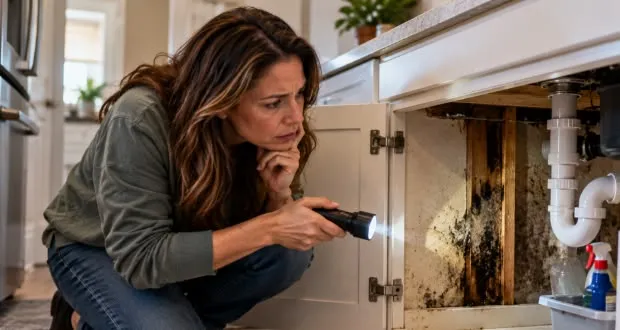
A sewage backup can turn an ordinary day into a serious housing emergency. Wastewater entering a bathroom, kitchen, or lower-level apartment may damage flooring, contaminate belongings, and create sanitation concerns. Even after the visible water disappears, moisture trapped beneath surfaces can contribute to further deterioration and mold growth.
Los Angeles renters facing unresolved contamination may consult mold attorneys los angeles to understand potential legal concerns. Knowing how sewage damage differs from ordinary plumbing leaks helps tenants recognize when professional cleanup, repairs, and additional investigation may be necessary.
Why Sewage Backups Require Special Attention
Unlike clean water from certain supply-line leaks, sewage may contain harmful microorganisms and other contaminants. Exposure can create health risks, particularly when wastewater reaches carpets, furniture, or porous building materials. Sewage backups may result from blocked drains, damaged sewer lines, or problems involving shared plumbing systems. Identifying the cause is important because temporary drainage repairs may not resolve an underlying defect.
Tenants should avoid direct contact with contaminated water and report the incident immediately. Extensive contamination generally requires appropriately trained cleanup professionals rather than ordinary household cleaning.
Understanding Potential Mold Development
Moisture remaining after a sewage backup can create conditions suitable for mold growth. Drywall, carpeting, insulation, and wooden materials may retain water even when their surfaces appear dry. Mold development depends on moisture, temperature, materials, and environmental conditions. However, visible growth is not required for sewage contamination to present an immediate health concern.
A proper response must address both contamination and remaining moisture. Removing standing water without evaluating affected materials may leave problems unresolved. Professional assessment can help identify whether drying, cleaning, or replacement is appropriate.
Immediate Steps Following a Backup
Tenants should prioritize personal safety and notify property management as soon as sewage enters their rental unit. Electrical equipment near standing water may also present additional hazards.
Several precautions are worth considering:
-
Avoid walking through contaminated water.
-
Keep children and pets away from affected areas.
-
Report the backup to management immediately.
-
Avoid operating electrical devices exposed to water.
-
Request information about professional cleanup arrangements.
-
Preserve relevant communications and expense records.
Residents should not attempt extensive sewage removal without appropriate equipment and training.
If essential facilities become unusable, tenants can seek guidance about immediate accommodation needs and applicable housing protections.
Understanding California Habitability Obligations
California landlords generally must maintain rental properties with functioning plumbing, appropriate sewage disposal, and conditions suitable for human occupancy. Serious sanitation problems may raise habitability concerns when they affect health or safety. Landlord responsibility depends on the circumstances, including the source of the backup and applicable maintenance obligations. Damage caused by tenant conduct may involve different legal considerations.
Written notice can help establish when management learned about the problem. However, residents should not assume that every plumbing incident automatically creates a compensable legal claim. The seriousness of the condition and response to it remain important.
What Professional Cleanup Should Address
Effective sewage cleanup generally involves removing contaminated water, evaluating affected materials, cleaning or replacing unsuitable components, and correcting the underlying plumbing problem. Porous materials may require removal when contamination cannot be addressed safely. Drying equipment may also be necessary where moisture has entered structural spaces.
Tenants should ask whether repairs address the contamination source and whether affected rooms can be safely occupied. A qualified assessment is more reliable than assuming a fresh coat of paint or the disappearance of an odor proves that conditions have been corrected.
When Legal Assistance May Be Appropriate
Disputes sometimes arise when management delays cleanup, disputes repair responsibilities, or expects tenants to continue using facilities affected by serious contamination. Consulting toxic mold attorneys california may help renters evaluate potential habitability violations and related claims when sewage damage leads to persistent moisture or mold.
A legal review may consider inspection findings, maintenance records, written communications, and documented losses. Potential remedies depend on the specific facts and applicable laws. Tenants should obtain appropriate advice before withholding rent, ending a lease, or pursuing other actions that could affect their tenancy.
Preventing Repeat Plumbing Emergencies
After cleanup, identifying the original cause remains essential. Repeated backups may indicate unresolved obstructions, damaged pipes, or problems involving shared building infrastructure. Property managers may need appropriate plumbing evaluations to determine whether additional repairs are necessary.
Residents can report recurring drainage issues promptly and follow reasonable property-use guidelines. Clear communication helps distinguish isolated incidents from ongoing infrastructure problems requiring more extensive maintenance.
Conclusion
Sewage backups involve sanitation, moisture, and potential habitability concerns that require careful professional attention. Prompt reporting, appropriate cleanup, and investigation of the underlying cause can help protect occupants and prevent recurring damage.
For Los Angeles tenants dealing with serious moisture and mold-related housing disputes, mehdlaw.com provides information about toxic mold claims and tenant protections. Understanding applicable responsibilities and seeking qualified guidance can help residents evaluate their options when contamination remains unresolved.